The Idea: Simplifying Contact exchange.
The best part of meeting someone is the conversation. The worst part is the administrative friction that immediately follows:
Typing numbers and spelling out emails.
Hunting for the right LinkedIn profile.
Promising to “send it later” (and never sending it).
Automating this moment ensures you stay human and present while you’re standing there.
The Idea
Contact sharing should be close to invisible:
Share: Offer the right version of yourself in one tap (QR, vCard).
Capture: Get their info without derailing the chat.
Remember: Know exactly who you met and where after the event ends.
Automate the hand-off so you can focus on the person in front of you. Everything I’m building flows from that.
Why This Matters in the Room
Fumbling the contact exchange changes the dynamic of the room:
You look at your phone instead of their face.
You negotiate “text me” vs. “LinkedIn me.”
You decide, mid-sentence, whether to share a work email, personal number, or both.
This friction eats the trust you just built. A fast, intentional share eliminates “typo theater” and gives you your attention back.
Less phone. More presence.
What Has to Be True for That to Work
1. The card you show has to match the room
You’re not the same person at a founder dinner and a family wedding.
Personas act as permission boundaries for what leaves your phone right now. You never overshare because it’s awkward, or undershare because you froze.
2. The person you meet lands somewhere you’ll find them
iPhone Contacts are infrastructure for people you keep, which gets messy for 40 new conference acquaintances.
Connections act as a middle layer. They exist in your system before you’ve decided they’re permanent.
3. The where has to stick to the who
Scrolling through your Contacts to guess who you met completely kills the context of the relationship.
Events group your connections by the specific meetup that produced them—just this dinner, these people, these notes.
The Category Landscape (and why I’m still doing this)
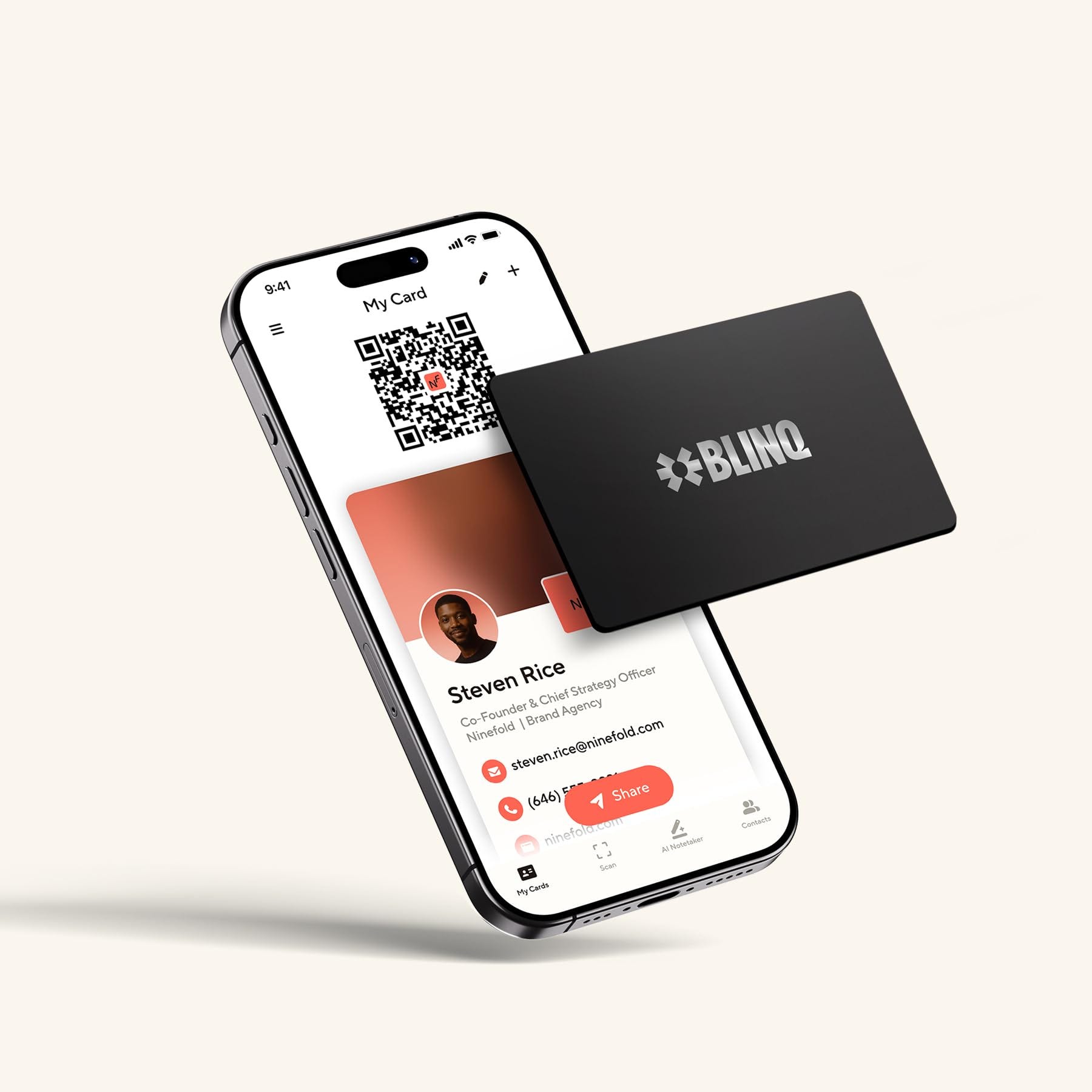
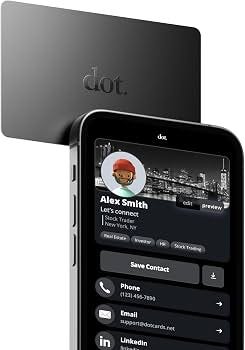
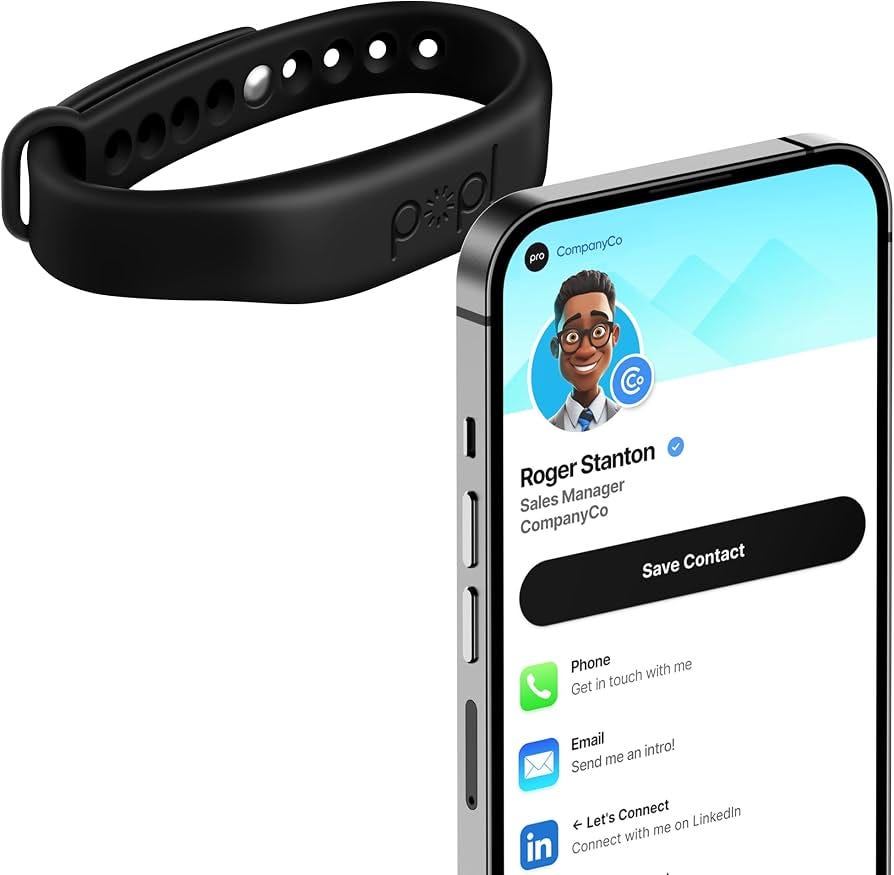
Yes—Blinq, Dot, Popl, and others have successfully made the digital business card mainstream. They excel at the flashy side of networking: polished designs, team management, analytics, and that one-tap hand-off.
I’m not building this because those apps are bad. I’m building this because they optimize heavily for you emitting a card, while largely ignoring the need to stay present and remember the other person afterward.
Blinq has brand recognition and a head start. Dot and Popl have distribution angles. I’m just one person, betting entirely on the in-room experience.
I might lose on distribution. But I’m betting I can win on intensity: if I can nail the “automate-the-hand-off + keep-the-memory” loop extremely well before chasing everything else, it might just work.
I’ll keep sharing the honest reality of that bet right here as I build.
Recap
I’m Luciano Huapaya, building Contact Share in public.
Goal: Automate the contact hand-off so you stay present.
Core features: Personas for what you share, Connections for who you meet, Events for where you met them.
Status: Not on the App Store yet. Ideating Name.
You think someone else would enjoy this journey? Share the publication!
Join My Newsletter
Follow along to see how we build mee.contact. The good, the bad, the ugly.
By subscribing, you’ll get new posts by email. Unsubscribe anytime.